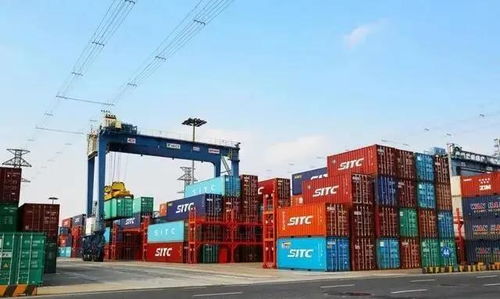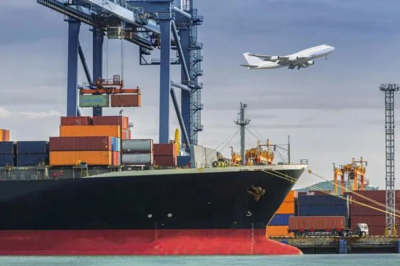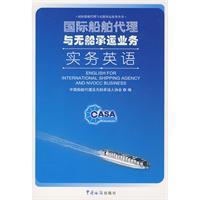
In the intricate world of global logistics and maritime trade, two key players facilitate the smooth movement of goods across oceans: the International Ship Agent and the Non-Vessel Operating Common Carrier (NVOCC). Mastering the practical English used in these fields is essential for professionals aiming to operate effectively in the international arena.
1. International Ship Agency: The Local Facilitator
An International Ship Agent acts as the representative of a ship owner or charterer in a foreign port. Their core responsibility is to ensure all port formalities and services are handled efficiently, allowing the vessel to dock, load/unload, and depart with minimal delay.
Key Practical English Tasks & Vocabulary:
Port Clearance & Documentation: Preparing and submitting documents like the Notice of Readiness (NOR), Maritime Declaration of Health, and Crew List to port authorities and Customs.
Arranging Husbandry Services: Coordinating with suppliers for bunkering (fuel), fresh water, provisions, and arranging crew changes or medical assistance.
Cargo Operations Liaison: Communicating with the terminal operator or stevedore regarding berthing schedules, loading/discharging plans, and supervising operations.
Communication: Sending port arrival reports, departure notices, and statement of facts (SoF) to the ship owner or operator. Essential phrases include "Vessel ETA confirmed for...", "All formalities cleared," and "Free pratique granted."
2. Non-Vessel Operating Common Carrier (NVOCC): The Consolidator
An NVOCC is a carrier that does not own ships but provides ocean transportation services. They issue their own bill of lading (B/L), consolidate smaller shipments from multiple shippers into full container loads, and book space with actual Ocean Carriers or Vessel Operating Common Carriers (VOCC).
Key Practical English Tasks & Vocabulary:
Sales & Customer Service: Quoting freight rates (e.g., "FAK rate" - Freight All Kinds), explaining surcharges (BAF, CAF, PSS), and negotiating terms. Phrases like "We offer CIF Shanghai to LAX" or "The THC is for account of consignee" are common.
Booking & Documentation: Placing a booking order or shipping instructions with an ocean carrier. Preparing the NVOCC Bill of Lading, House Bill of Lading (HBL), and Manifest. Key terms include SI Cut-off, VGM (Verified Gross Mass), and AMS/ISF Filing for US shipments.
Consolidation & Logistics: Managing CFS (Container Freight Station) operations for LCL (Less than Container Load) cargo. Issuing Cargo Receipts and arranging inland transportation (drayage) for door-to-door service.
Tracking & Problem-Solving: Providing cargo tracking updates and handling exceptions. Communicating issues: "The shipment is on hold due to customs inspection," or "We need a telex release for the original B/L."
3. Interplay and Communication
The Ship Agent and NVOCC must collaborate seamlessly. The NVOCC relies on the Agent for local port updates, while the Agent depends on the NVOCC for accurate cargo details. Effective English communication is vital in:
- Clarifying demurrage and detention charges.
- Coordinating hazardous cargo (IMDG Code) handling.
- Resolving cargo damage or shortlanding claims.
Conclusion
Proficiency in the practical English of ship agency and NVOCC operations is not merely about vocabulary; it's about executing clear, precise, and professional communication that keeps global supply chains moving. From drafting a flawless B/L to swiftly resolving a port discrepancy, this linguistic competence underpins trust, efficiency, and success in international maritime logistics.